Our Programs

-
Prevention & Safe Migration
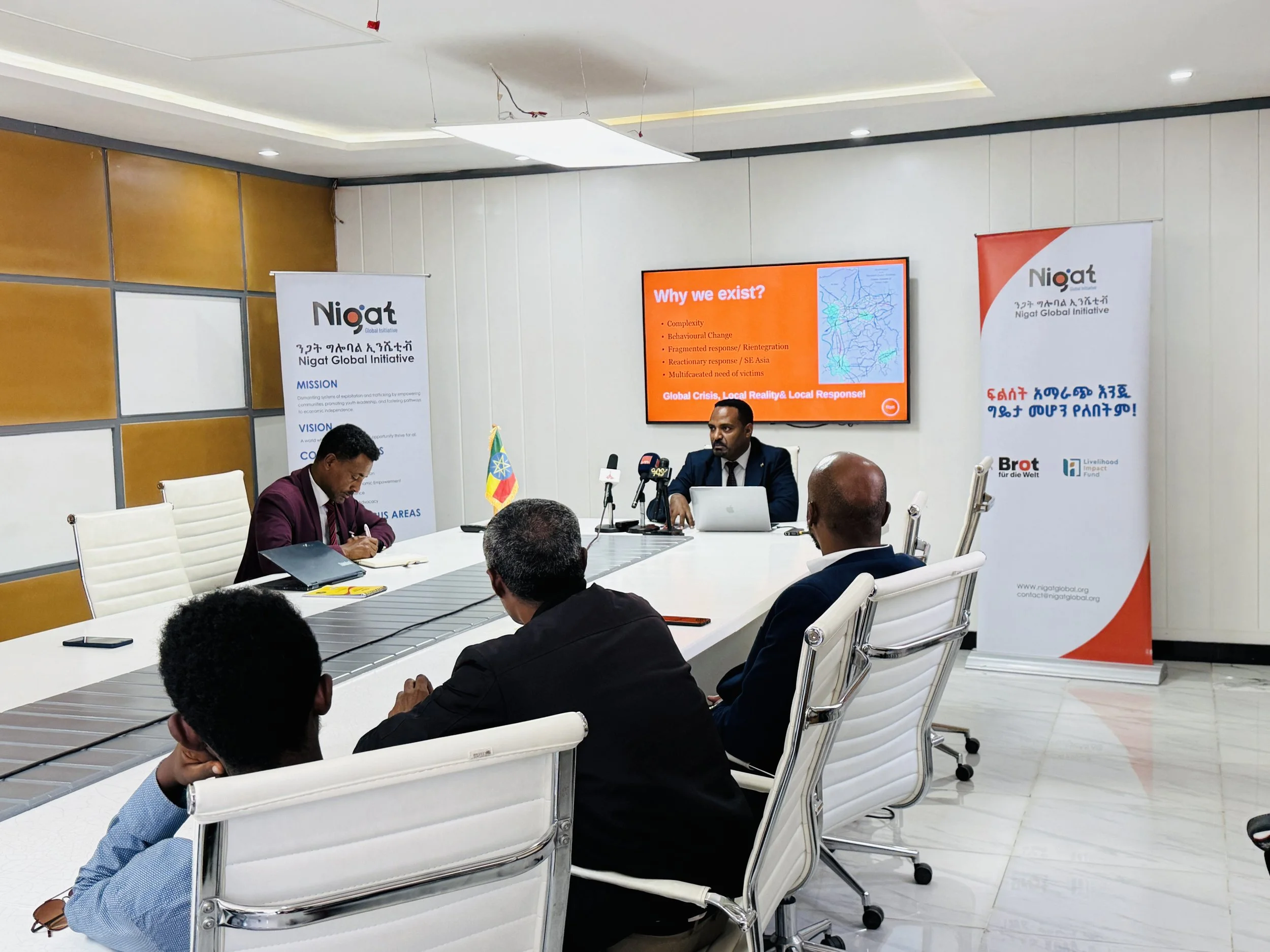
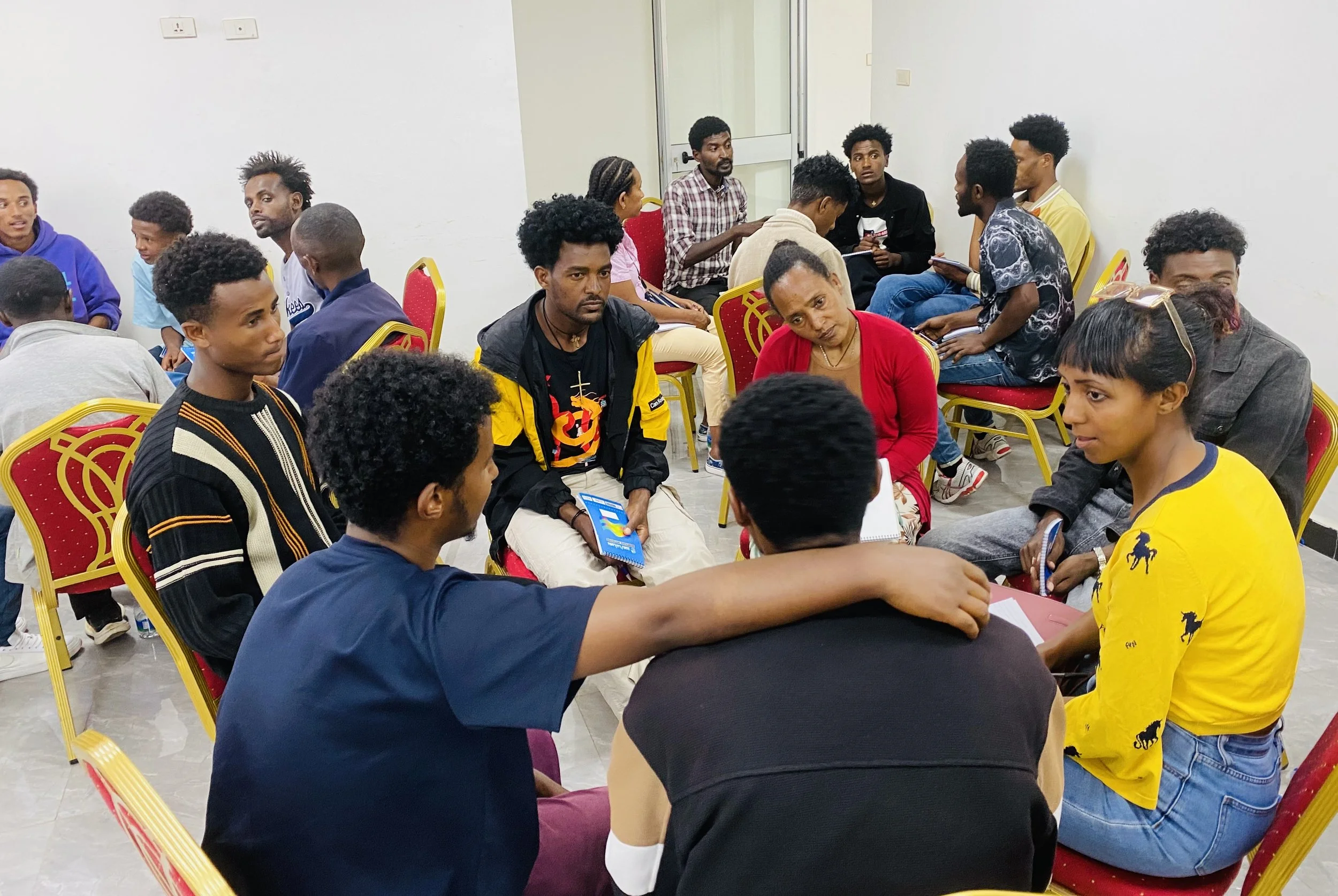
NGI works with youth, communities, media professionals, and institutions to reduce trafficking risks before exploitation happens.
Our prevention work includes:
• Safe migration awareness
• Youth education programs
• Ethical media engagement
• Community dialogue
• Scam-trafficking prevention
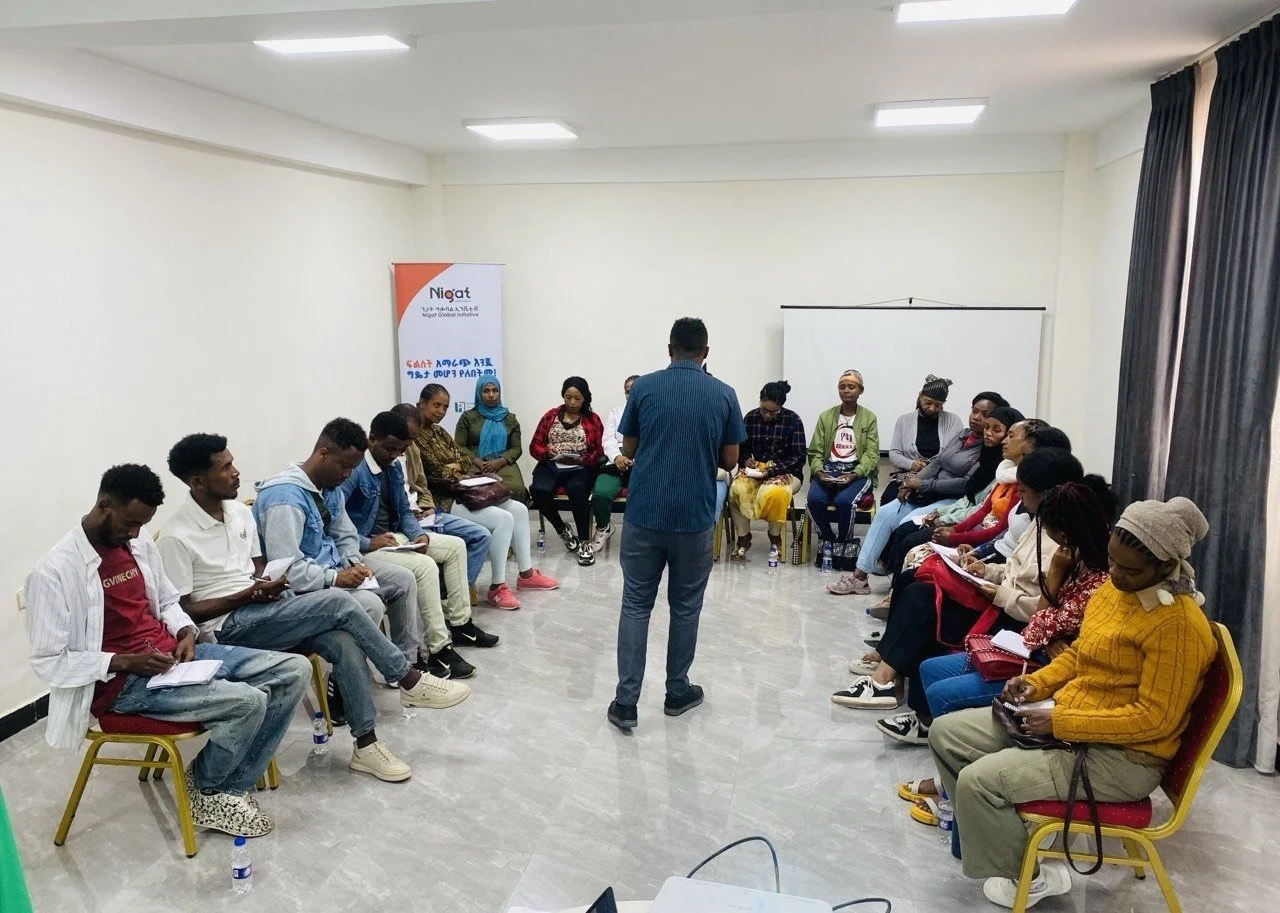
• Responsible migration narrativesThrough six rounds of youth education programs in Addis Ababa, NGI has engaged more than 300 young people in trafficking prevention and safe migration education. Assessments showed meaningful increases in participant understanding of trafficking, exploitation, and irregular migration risks.
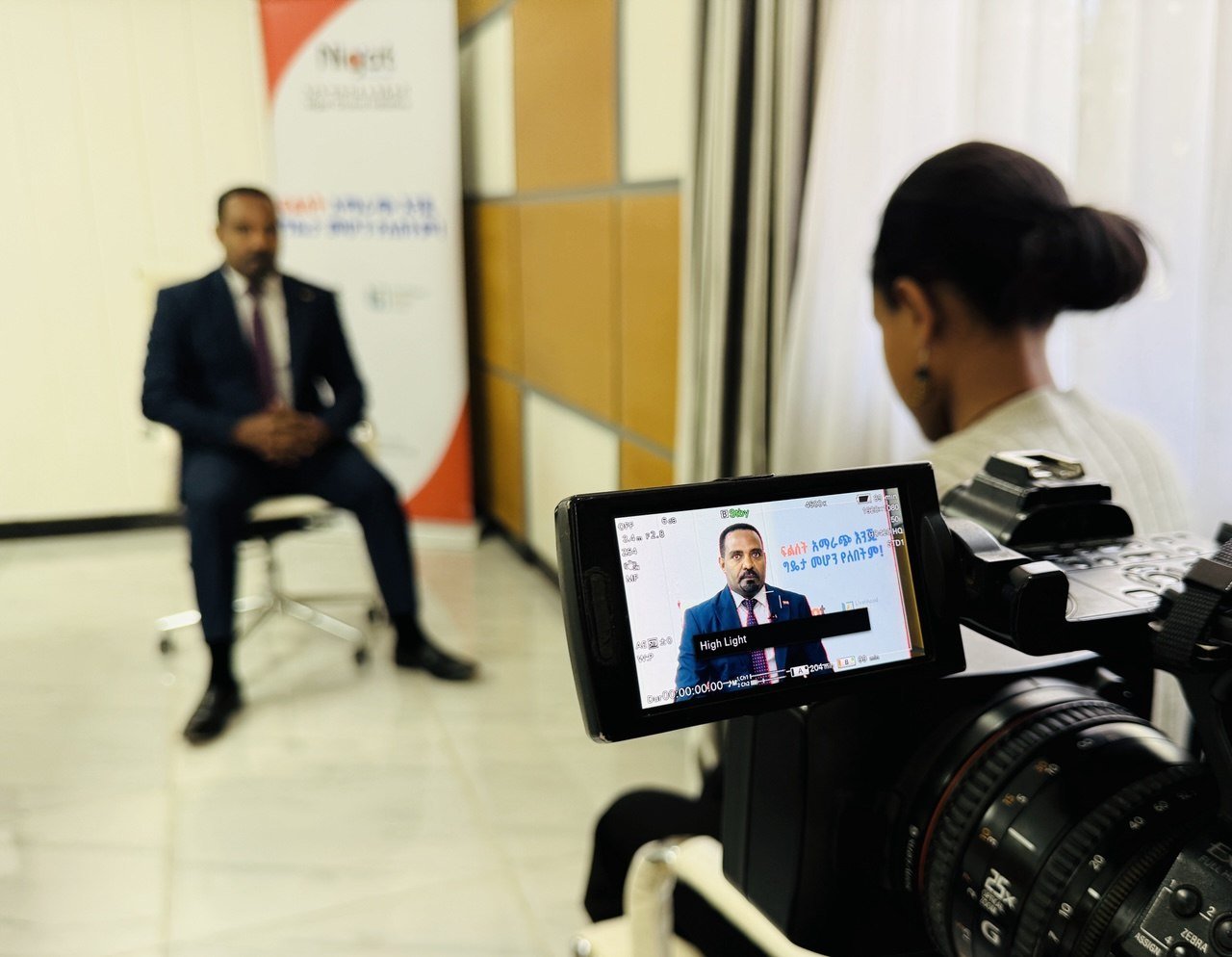
NGI has also worked with 48 media professionals and supported the establishment of the Media Advisory Group on Migration & Trafficking (MAG-MT), bringing together 10 media institutions to strengthen ethical and informed public narratives on migration and exploitation.
Baseline findings from participating youth highlighted important gaps in awareness, wellbeing, and understanding of trafficking risks. These findings continue to shape NGI’s prevention and protection approach.
We believe prevention starts with informed choices, dignity, resilience, and opportunity.
-
Survivor Reintegration & Livelihoods
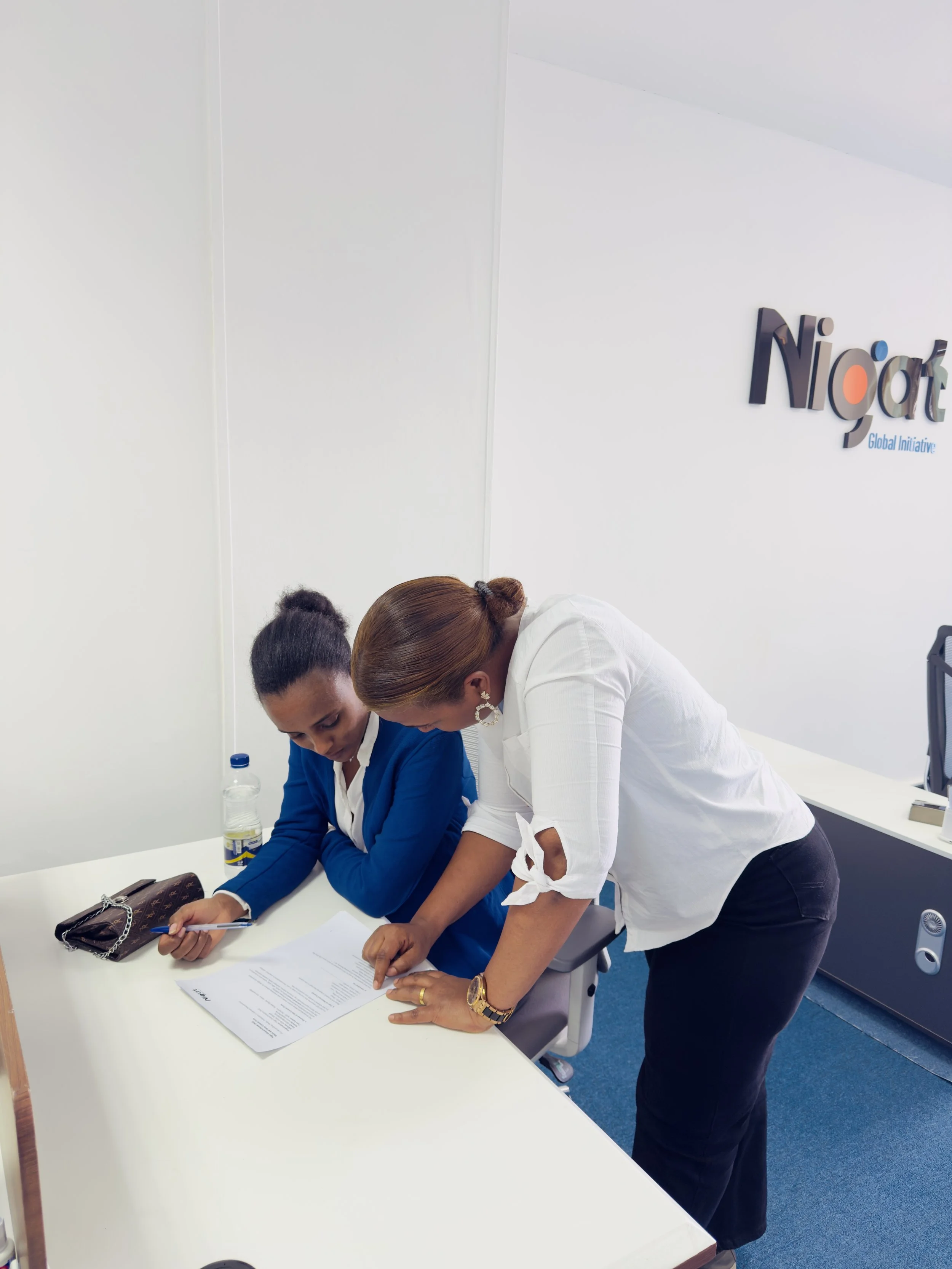
NGI supports trafficking survivors and vulnerable returnees to rebuild their lives with dignity, safety, and sustainable opportunity.
Our reintegration work includes:
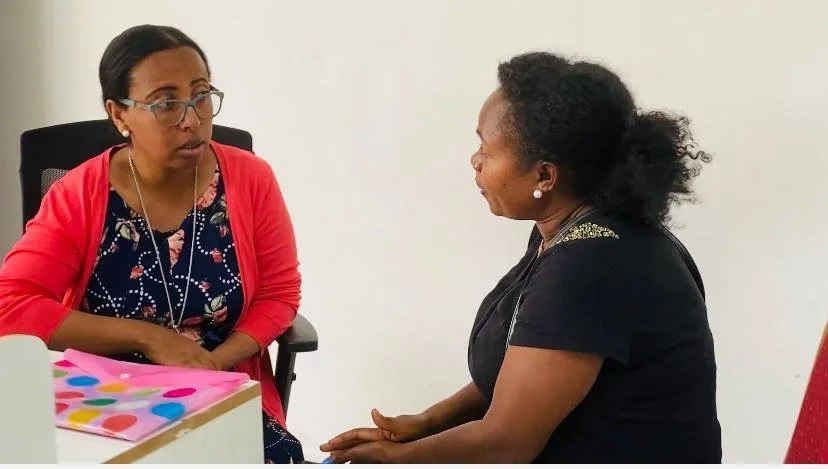
• Psychosocial support
• Case management and referrals
• Skills and TVET training
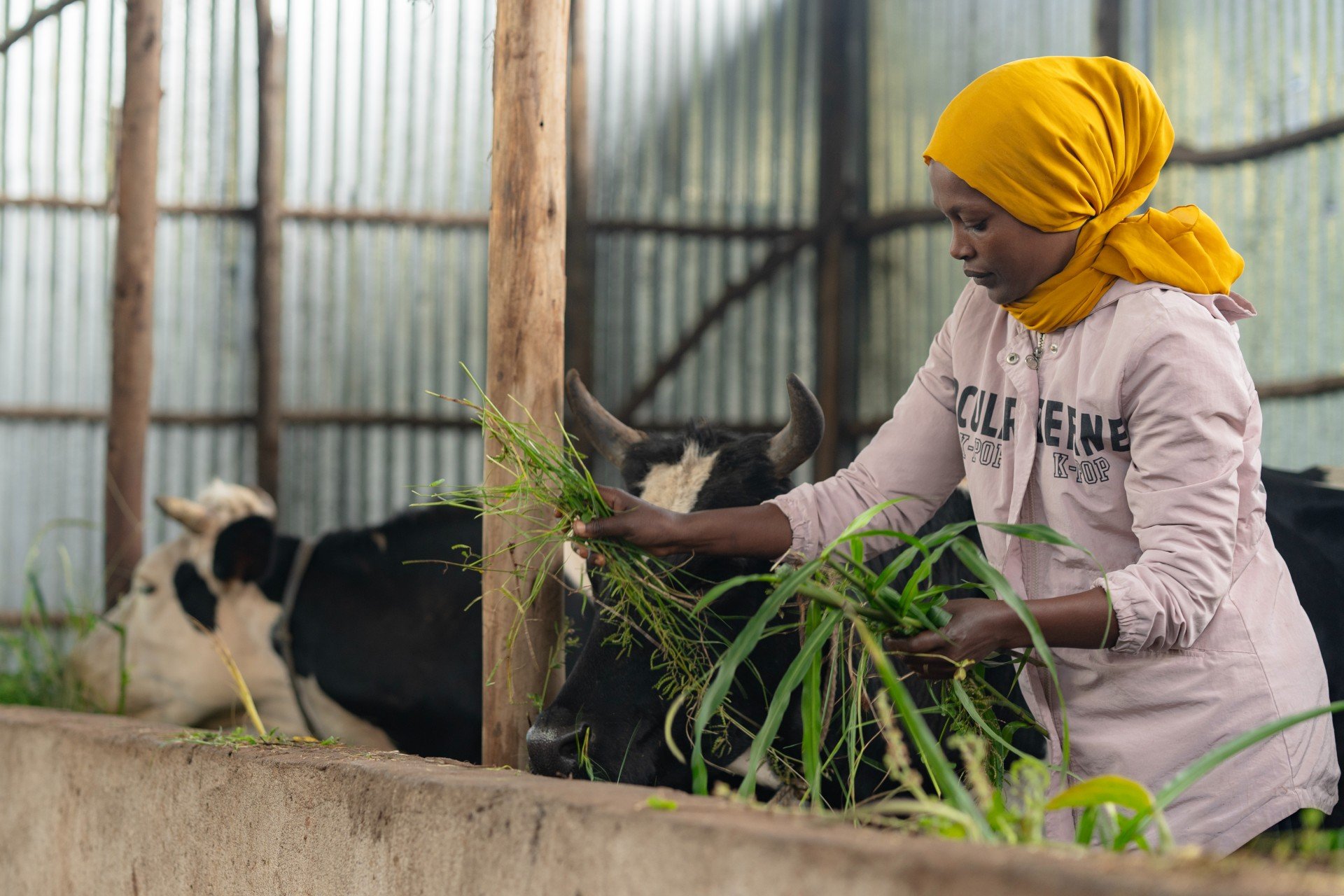
• Employment and livelihood pathways
• Peer support and community reintegration
• Survivor-centered recovery supportNGI’s reintegration approach combines emotional recovery, practical livelihood support, and long-term resilience-building to help survivors move beyond crisis toward stability and independence.
NGI has provided psychosocial readiness training for survivor groups and supported participants in identifying vocational pathways aligned with their interests and long-term goals. Fifteen survivors joined the first vocational skills training cohort, and an additional fifteen participants were enrolled this year.
To strengthen survivor wellbeing and peer connection, NGI also established the Dignity Circle, a survivor-led support space designed to encourage healing, trust, shared learning, and long-term emotional resilience.
Reintegration is more than returning home. It is about restoring dignity, stability, confidence, and hope for the future.
-
Systems Change & Protection
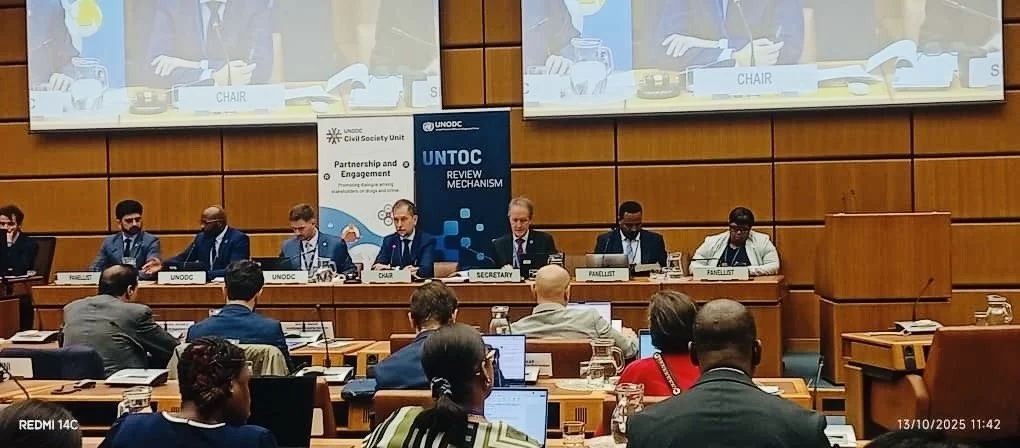
NGI works with government institutions, justice actors, media, and civil society partners to strengthen protection systems, accountability, and survivor-centered responses.
Our systems work includes:
• Policy engagement and advocacy
• Judicial and institutional training
• Survivor-informed systems strengthening
• Research and evidence generation
• Cross-sector coordination
• Emerging trafficking trends, including cyber-enabled exploitation and forced criminalityNGI has contributed to policy dialogue, institutional engagement, media coordination, and evidence generation related to trafficking, unsafe migration, and forced criminality affecting Ethiopian youth and migrant communities.
Our work supports stronger collaboration between frontline actors, government institutions, media, and survivor communities to improve prevention, survivor recognition, reintegration systems, and accountability.
NGI has also documented trafficking and forced criminality cases linked to scam compounds in Southeast Asia to strengthen evidence-informed advocacy, prevention efforts, and protection responses.
We believe lasting change requires stronger systems, coordinated action, and protection rooted in human dignity.
We do not just run programs, but we shift power!

Our Integrated Approaches
Across all our work, NGI integrates survivor-centered, trauma-informed, and systems-driven approaches that strengthen protection, dignity, and long-term resilience.
-
![]()
Mental Health and Psychosocial Support
Healing is essential to lasting freedom. NGI integrates mental health and psychosocial support across prevention, protection, and reintegration programs to help survivors and vulnerable individuals recover with dignity, resilience, and hope.
• Trauma-informed care
• Counseling and peer support
• Emotional resilience and recovery
• Community-based psychosocial support -
![]()
Survivor Leadership and Inclusion
Survivors are not only beneficiaries of change — they are leaders, advocates, and experts. NGI works to ensure lived experience informs programs, policy conversations, and solutions that directly affect survivor communities.
• Survivor-informed programming
• Leadership and advocacy pathways
• Meaningful inclusion in decision-making
• Skills and public engagement support -
![]()
Technology for Protection
Technology can strengthen prevention, protection, and access to information. NGI explores responsible digital tools and innovation to support safer migration, youth awareness, survivor protection, and informed decision-making.
• Digital literacy and online safety
• Technology-enabled prevention
• Data-informed programming
• Innovation for outreach and protection -
![]()
Media & Storytelling
Narratives shape public understanding and policy responses. NGI works with media professionals, storytellers, and communities to promote ethical reporting, challenge harmful narratives, and amplify informed conversations on migration and trafficking.
• Ethical migration reporting
• Survivor-centered storytelling
• Public awareness campaigns
• Media partnerships and training -
![]()
Emergency Protection & Recovery
Crisis, displacement, and instability often increase vulnerability to trafficking and exploitation. NGI supports protection-focused responses that help vulnerable individuals access safety, psychosocial support, referrals, and pathways toward recovery.
• Crisis response and protection
• Safe referral systems
• Early recovery support
• Protection coordination and case support